
Treating wild animals well enough to let them go
Wildlife rehabilitation has a harder test than shelter work: the animal has to be able to survive without us afterwards. Everything we do is measured against that.
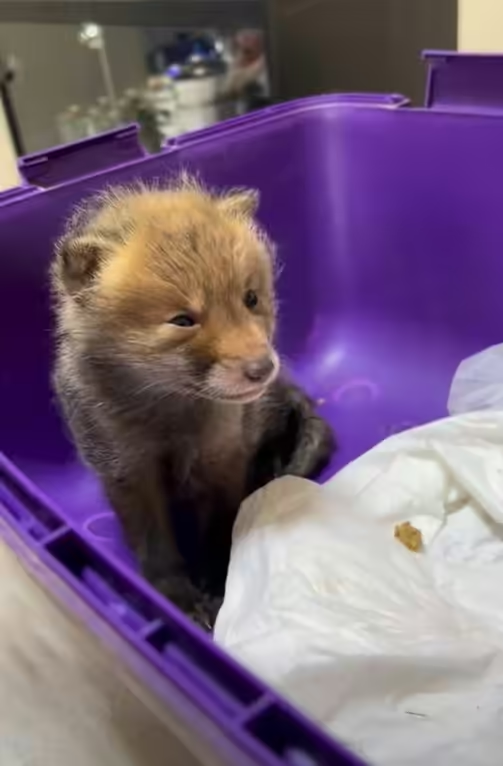
Wildlife rescue attracts more volunteers than any other part of our work and needs the most discipline. Every extra minute of handling makes release harder, so the best wildlife rehabilitation looks boring from the outside: a fed animal, a clean enclosure and a closed door.
A fox with sarcoptic mange
Mange kills slowly. An adult fox in this condition has weeks, not months, and treatment is neither expensive nor complicated once the animal is caught.
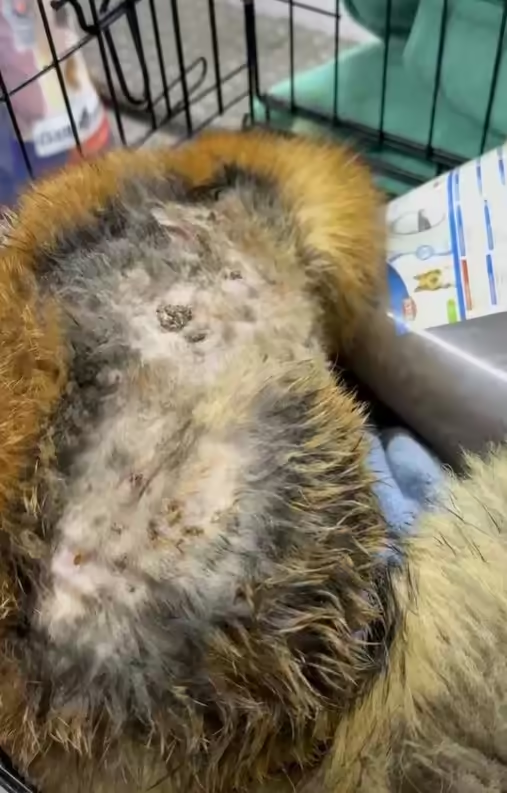
This fox was brought in with almost no coat left, severe skin damage and secondary infection. Treatment is a course of anti-parasitic medication, wound care, feeding up and a quiet enclosure with as little human contact as possible. The hard part is not the medicine, it is keeping a wild animal calm long enough for it to work, and resisting the urge to tame it.
- CatchTrapped or handed in by a member of the public, examined under sedation.
- TreatAnti-parasitic course, skin care, antibiotics if the skin is infected, feeding up.
- RecoverQuiet enclosure, minimal handling, no names and no petting.
- ReleaseBack to the area it came from, once the coat can hold heat through a night.
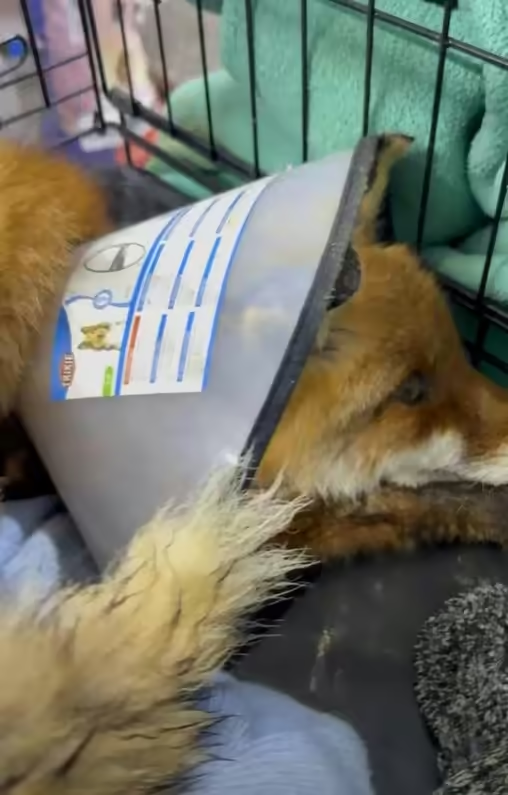
First week of treatment 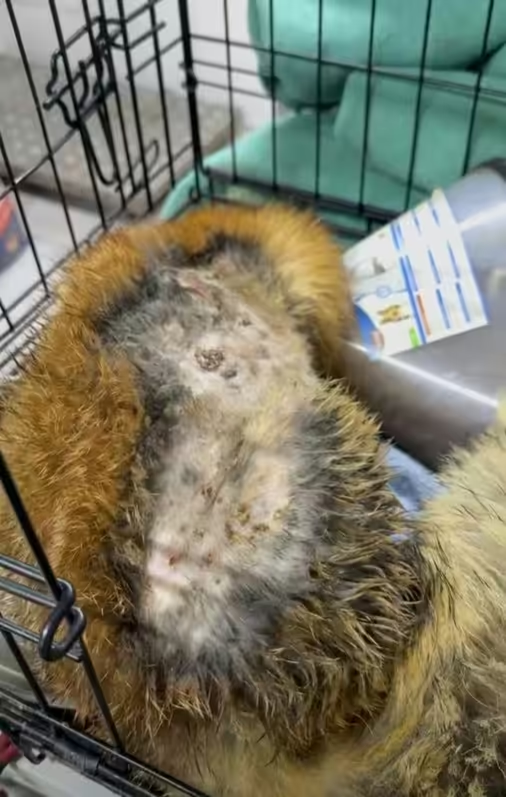
Coat starting to return
Orphaned cubs
Cubs come in after their mother is killed on a road or a den is destroyed by construction. They are the hardest cases to do correctly, because tame is the same as dead once they are released.
-
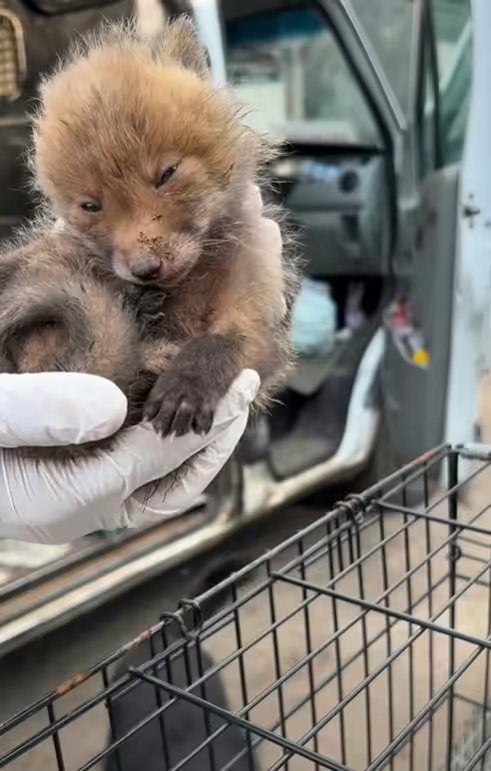
Handling only with gloves and only when necessary -
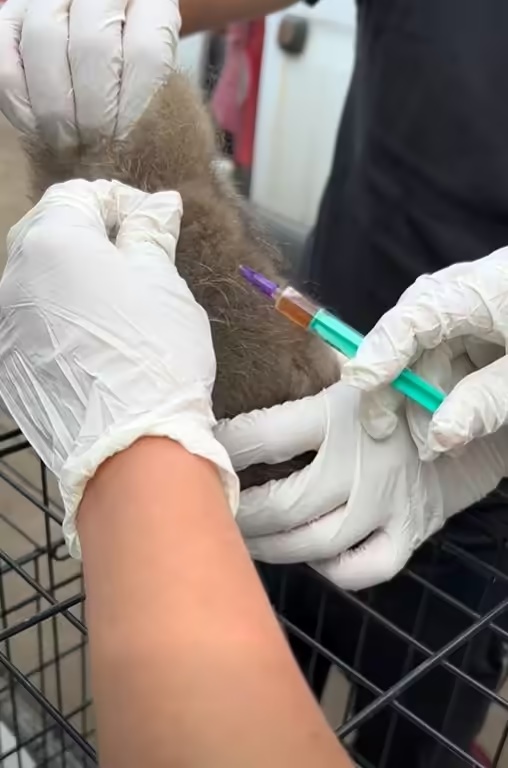
Vaccination -
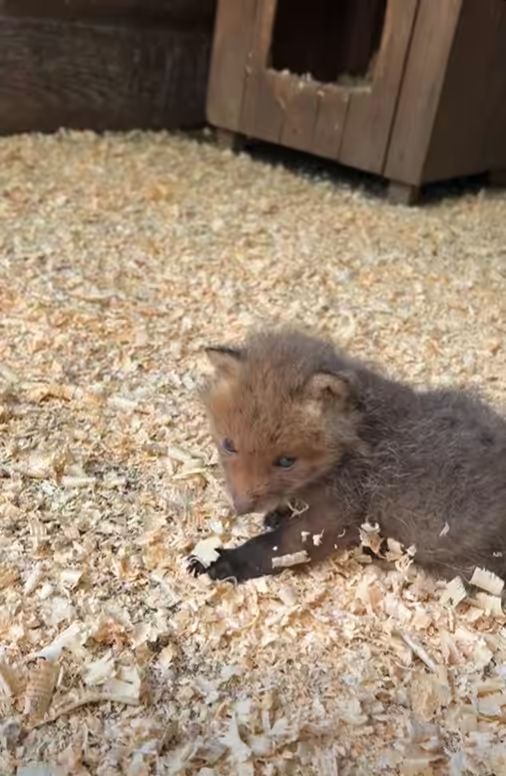
Recovery enclosure -
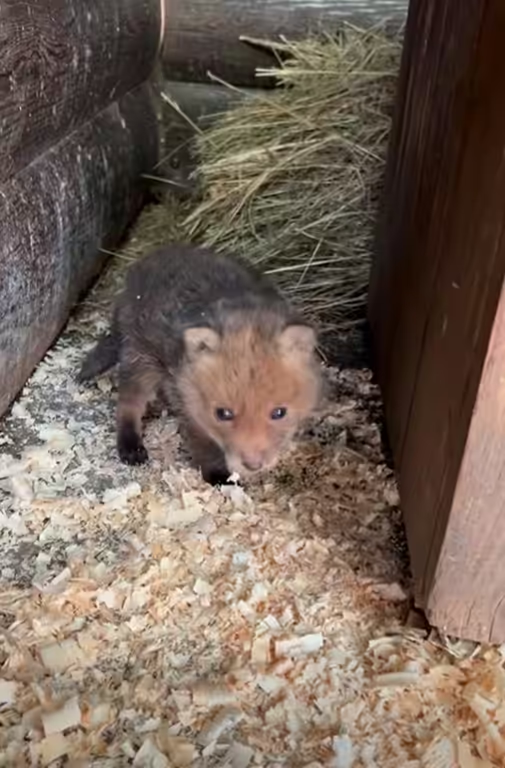
Close to release condition
Who else comes through
-
Injured bird help
Collisions with windows and power lines, oiled feathers, fledglings picked up by well meaning people. Most healthy fledglings should be left where they are.
-
Hedgehog rescue
Underweight hedgehogs before winter, strimmer injuries and animals found out in daylight, which is almost always a bad sign.
-
Roe deer and small mammals
Road casualties and animals trapped in fencing. Transport and sedation are the two things that decide the outcome.
Before you pick up a wild animal
I found a fox cub alone. Should I take it?
Usually no. A cub alone is often waiting for a parent that is out hunting. Watch from a distance for a few hours, and intervene only if the animal is injured, cold, or the mother is known to be dead.
What do I do with an injured bird?
Put it in a ventilated cardboard box in a dark, warm, quiet place, do not feed it, and contact us or a wildlife centre the same day. Most losses happen from stress and wrong feeding, not from the original injury.
Can wild animals be kept as pets after treatment?
No. A tame fox cannot hunt, avoid people or survive a winter. Anything that cannot be released lives out its life in a licensed enclosure, which is a poor second best.
Fund a course of treatment
A mange course and three weeks of feeding cost less than most people expect. The enclosure it recovers in is the expensive part.