
A wheelchair turns a lying animal into a walking one
Animals evacuated from shelled areas arrive without limbs. A dog wheelchair costs less than most people think, and it decides whether that animal ever leaves the shelter.
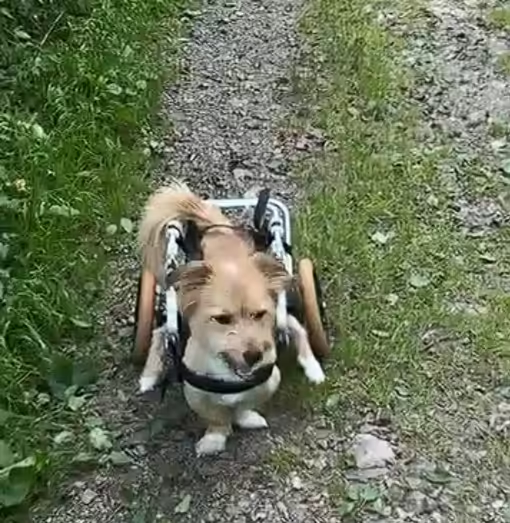
Animals that lost limbs in the war zone are the group least likely to be adopted and most likely to spend years in a shelter pen. Mobility equipment is the single cheapest intervention that changes that, and it is almost never covered by general donations, which is why this fund is kept separate with its own reporting.
What each item costs
Prices include fitting and the first adjustment. Growing animals need a second frame, which is why puppies cost more over a year than adults.
| Item | Cost | Who it is for |
|---|---|---|
| Wheelchair for dogs, small breed | 180 to 240 euro | Dogs up to 12 kg with hind limb paralysis |
| Dog wheelchair, medium and large | 280 to 420 euro | Dogs from 12 to 45 kg |
| Dog prosthetic leg, single limb | 220 to 340 euro | Partial amputation with a usable stump |
| 3d printed dog prosthetic | 150 to 260 euro | Cases where a standard shape does not fit |
| Prosthetic leg for cat | 160 to 240 euro | Cats after amputation, usually front limb |
| Physiotherapy course after fitting | 90 to 140 euro | Every animal, without exception |
Learning to use it
The frame is the cheap part. The weeks after fitting decide whether the animal uses it or drags it.
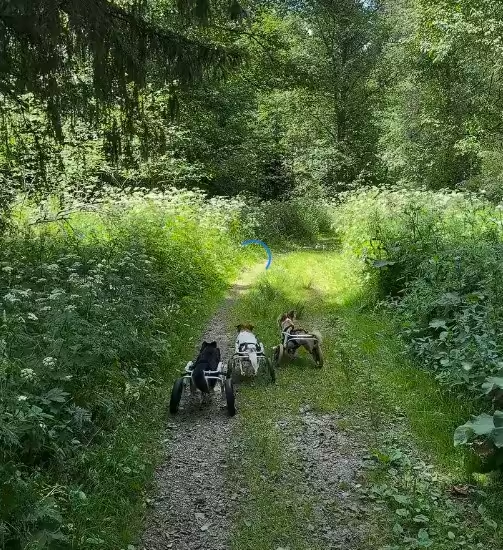
A wheelchair changes how an animal carries its whole body, so the first fortnight is short sessions on soft ground, then longer walks, then rough terrain and water. Animals that skip that stage get pressure sores and go back to lying down. The photographs below are from the same group of dogs at a partner rehabilitation site.
- AssessmentVeterinary check of the spine, stumps, skin and weight, plus measurements for the frame.
- FittingFrame assembled and adjusted, first session on grass, ten minutes maximum.
- Weeks 1 to 4Daily short sessions, skin checked every day for pressure points.
- AfterFull walks, rough ground, and a re-measure after any weight change.
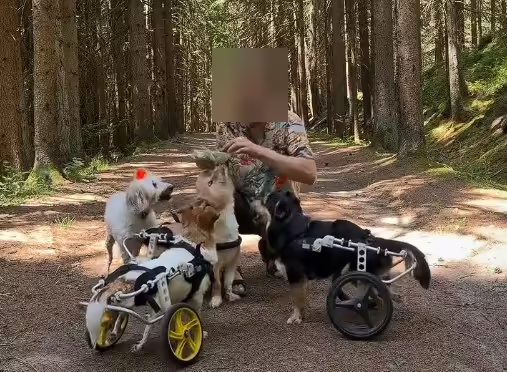
One handler, four animals, forty minutes 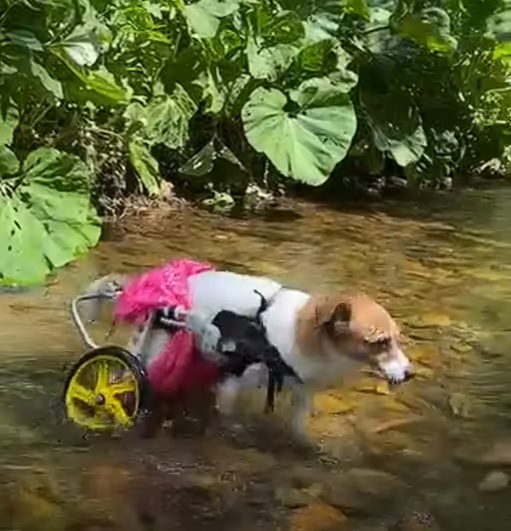
Water work, late in the programme -
A frame fitted to one animal, adjusted twice
What your donation covers here
- The frame or prosthesis itself, made to the animal's measurements.
- Veterinary assessment before fitting, including imaging where the spine is involved.
- Physiotherapy, which is the difference between equipment used and equipment abandoned.
- Replacement parts: wheels, straps, harness and padding wear out within a year of daily use.
- A second frame for young animals that outgrow the first one.
Questions about mobility aids
Can a dog live a normal life in a wheelchair?
Most do. They walk, play, swim and travel, and many are adopted precisely because the wheelchair makes their needs visible and predictable. What they cannot do is spend all day in the frame, so they need someone at home for part of the day.
Is a prosthetic always better than amputation?
No. A clean amputation with good rehabilitation often gives a better outcome than a prosthesis on a badly damaged limb. The veterinarian decides case by case, and we fund whichever is right.
Can I sponsor one specific animal's wheelchair?
Yes. You receive the measurements, the invoice, photographs of the fitting and a short video of the first walk.
Do you make the wheelchairs yourselves?
We buy from specialist workshops and, for unusual shapes, use 3d printed parts. Home made frames from plumbing pipe cause injuries, so we do not use them.
Fund a frame
Any amount goes into this fund and is spent only on mobility aids and the rehabilitation that follows.
Other ways into this project
Workshops, physiotherapists and drivers are as useful here as money.