
The animals behind the numbers
Dog rescue is the largest part of our caseload, but the network also carries cats, horses, ponies, donkeys, farm animals and wildlife. These are real cases, photographed by the shelters that treat them.
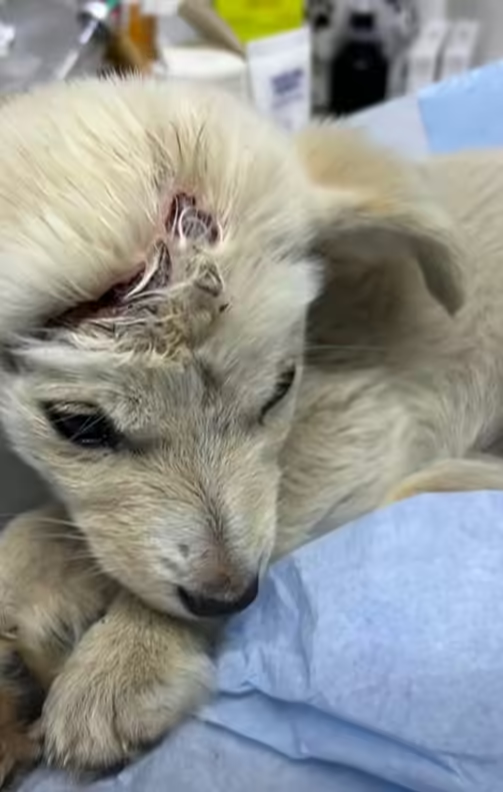
Every animal in the network has a file: intake photographs, veterinary history, treatment invoices and a status. That file is what lets us answer donors honestly two years later, and it is why we can show the same animal at intake and at discharge without guessing.
Some cases end badly. When that happens we say so in the report rather than quietly removing the animal from the site.
Before and after a rescue dog
The same dog on the day she was found and eleven days later. No filters, no staging, and the same collar in both photographs.
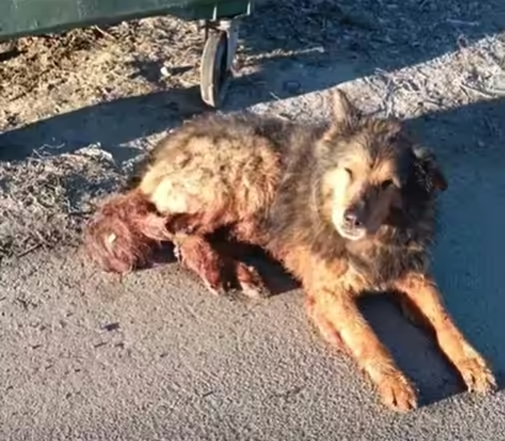
People often ask what recovery looks like on a realistic timeline. For a dog with an open wound and no other complications, it is roughly this: surgery on day one, then drips and dressings through the first week, walking by day nine, and a foster home by day eleven. Older animals and spinal injuries take months instead.
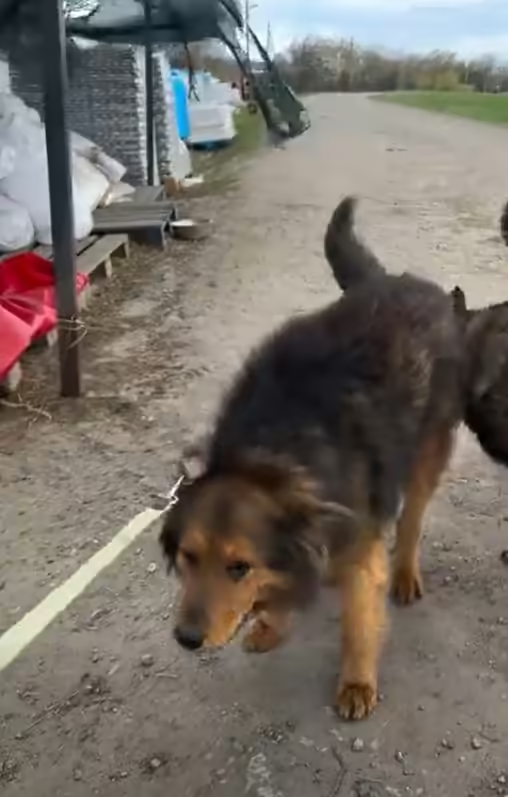
Day nine 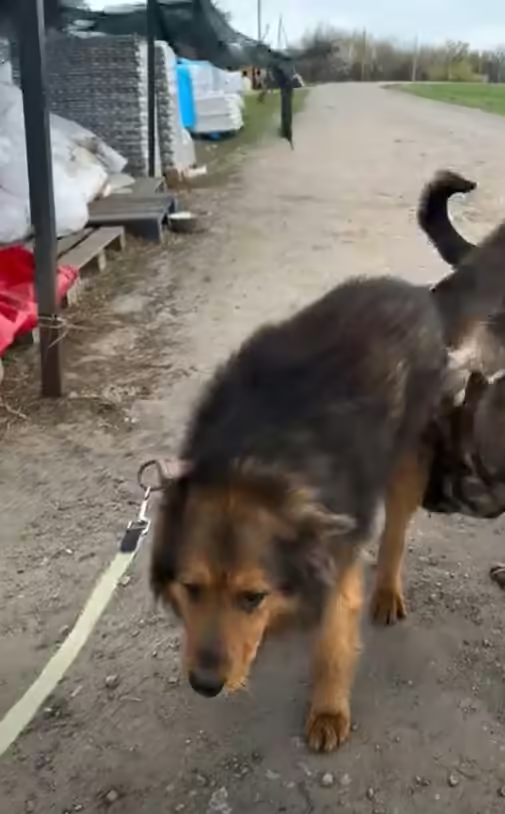
Day eleven
Who is in the network right now
Several partner shelters together hold around three thousand animals. The species list is longer than most people expect.
- 25 799
Dogs
The largest group by far, from evacuated family pets to street dogs after road accidents. 25 799 dogs are in Ukrainian shelters with professional veterinary care.
- 19 473
Cats
Group rooms, quarantine for new arrivals and a planned hospice for elderly animals that cannot live in a crowd.
-
Horses and ponies
Evacuated from farms and riding yards, kept in paddocks and stables that need constant repair.
-
Donkeys
Currently without a building of their own, which is one of the open construction items.
-
Farm animals
Cows, goats, pigs and poultry from abandoned smallholdings, plus a camel that arrived with a closed private zoo.
-
Wildlife
Foxes with mange, orphaned cubs, birds, hedgehogs and roe deer, treated for release rather than for keeping.
Wildlife programme
Cats in the clinic
Three photographs from one working morning: waiting, ultrasound, examination.
-
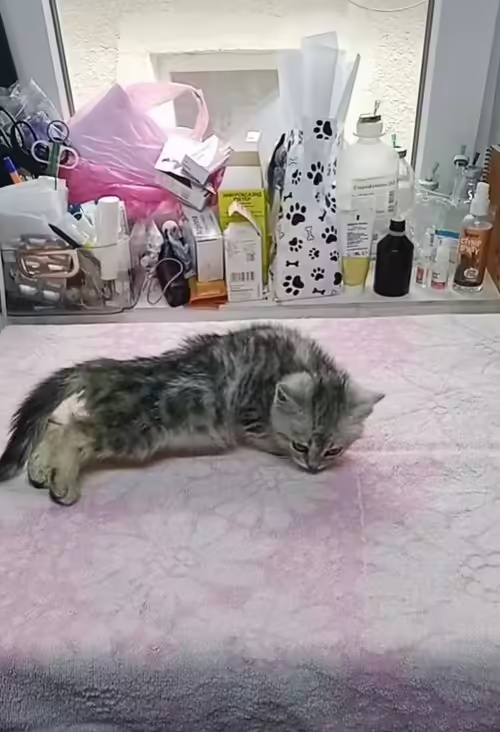
Waiting -
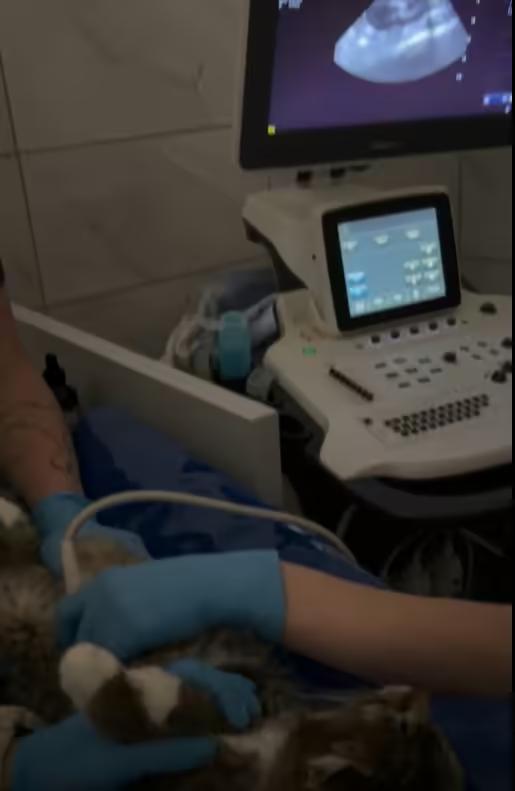
Ultrasound -
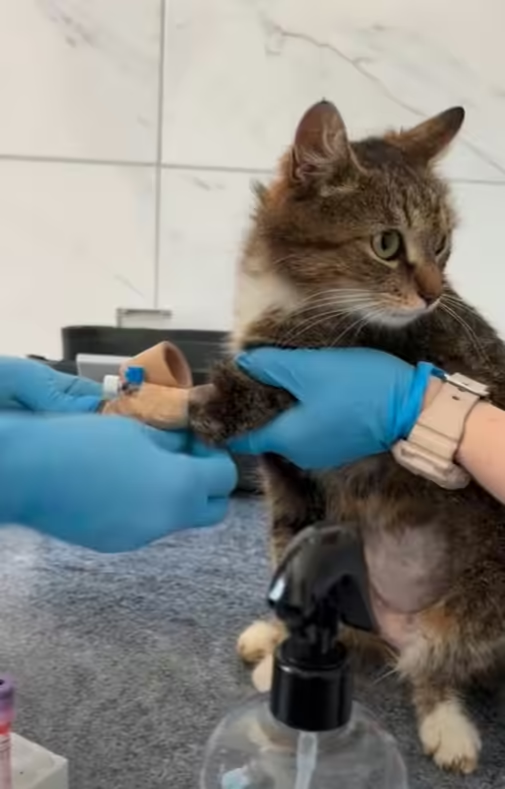
Examination
Where they live
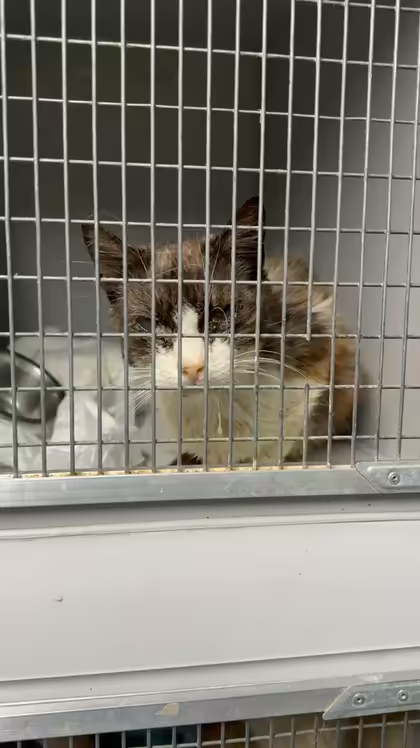
The cattery Cats in a partner shelter, waiting for adoption The video loads only after you press play 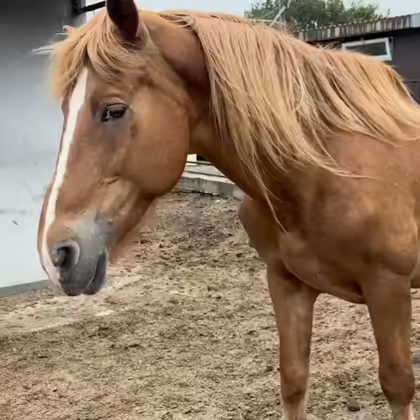
A horse at the shelter Evacuated horses are kept in paddocks with daily handling The video loads only after you press play 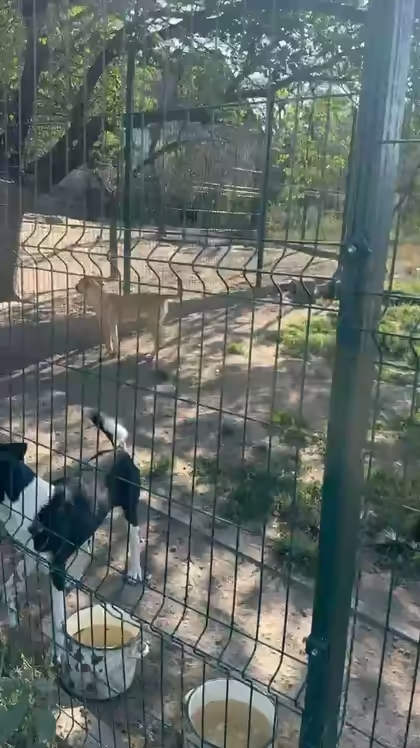
Group enclosure Dogs that tolerate each other are housed in groups The video loads only after you press play
Take one of them off the list
Sponsorship covers the animal's food and treatment while it waits. Adoption and foster care take it out of the shelter altogether.