
Rescue, treatment and the long way back to a home
We work where animals lose everything at once: in war zones, after fires and floods, and in shelters that took in more animals than they were built for. Every animal rescue operation below is running right now.
The Global Bridge for Animals Foundation is a non-profit organisation registered in Ukraine, with a representative in Belgium and partners across Europe. We were built around one problem: a single shelter, a single vet or a single volunteer cannot carry a crisis of this size alone, and most of them are trying to.
Our work is unglamorous by design. We buy hay by the tonne. We pay for surgeries that would otherwise not happen, put roofs back on stables, and drive vans into places people are leaving. What we do not do is invent stories. Every photograph on this site comes from a partner shelter or one of our own missions, and every figure comes from the reports those partners file.
What three and a half years of work add up to
- 550 000 animals helped Treated or fed since the full-scale war began
- 5 000 000 kg feed delivered To shelters, sterilisation centres and volunteers with animals
- 510 partner facilities Shelters, sterilisation centres, clinics and volunteer groups, 2025
- 45 272 dogs and cats in shelters 25 799 dogs and 19 473 cats receiving professional veterinary care
Three projects that need funding this month
These are not campaign slogans. Each one is a specific bill a partner shelter cannot pay on its own.
-
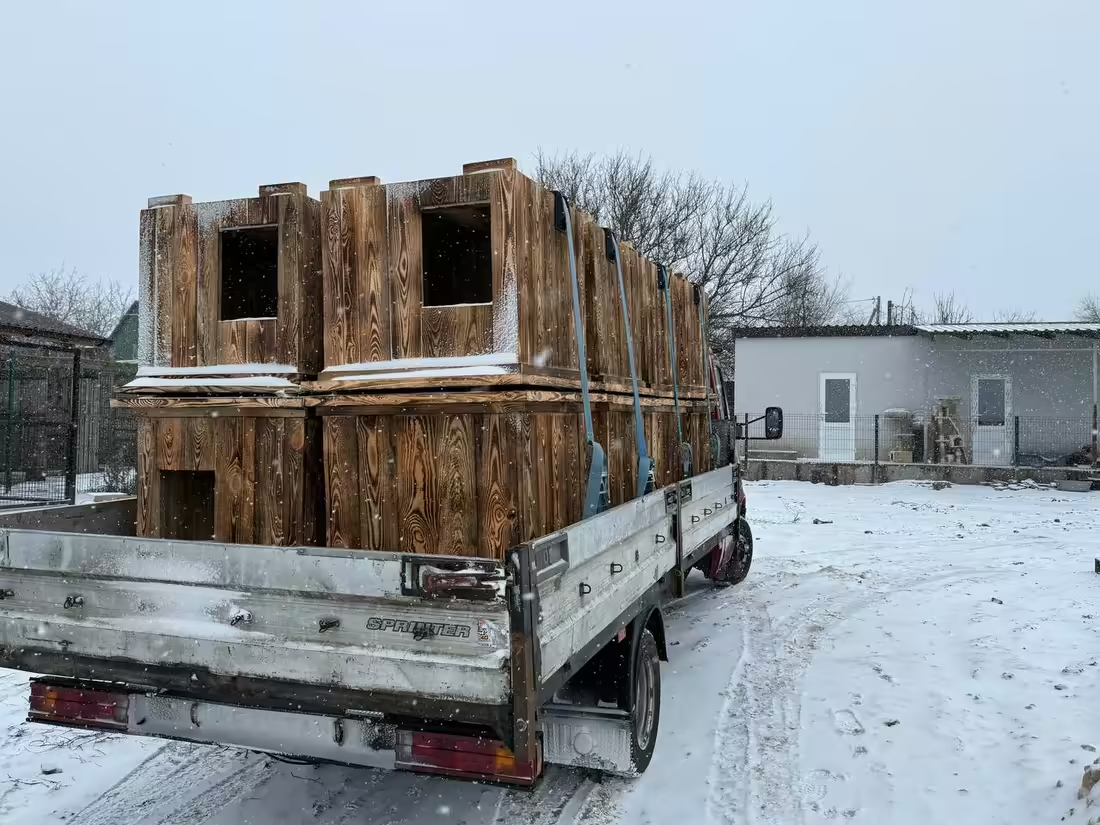
Enclosures, kennels, hay and a roof before winter
One of the largest partner shelters is out of space. Eleven enclosures are needed for dogs evacuated from Kramatorsk, there are no kennels left to put them in, the stable roof is close to collapse, and the donkeys and ponies still have no building of their own.
See the construction list -
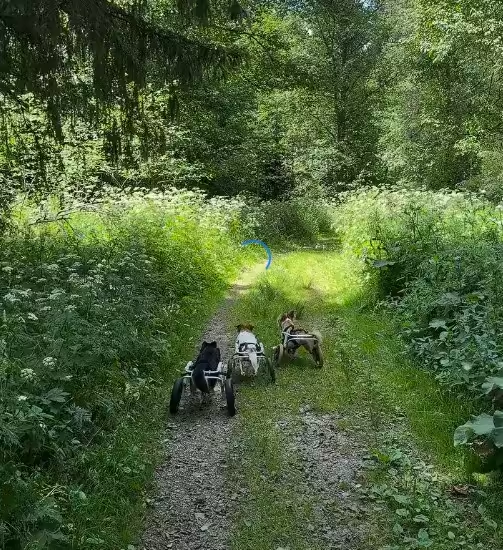
Prosthetics and wheelchairs for animals from the war zone
Dogs and cats evacuated from shelled areas arrive without limbs. A dog wheelchair or a fitted prosthetic leg turns a lying animal into one that walks and can be adopted. This is a separate fund with its own reporting.
Fund a wheelchair -
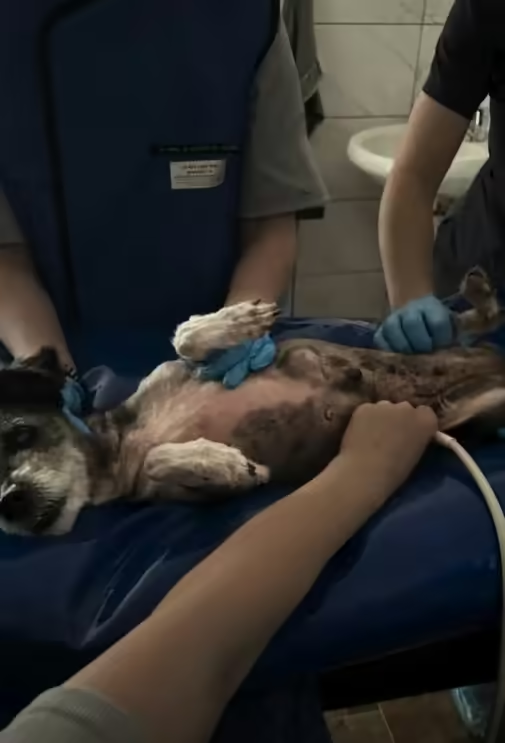
Treatment and sterilisation that stops the next crisis
Surgery, drips, vaccination and follow-up for animals pulled off the road, plus a trap neuter return programme that keeps the street population from doubling again next spring.
Support the clinic
One dog, eleven days
A driver called about a dog lying at the roadside outside Kyiv. This is what the next eleven days looked like.
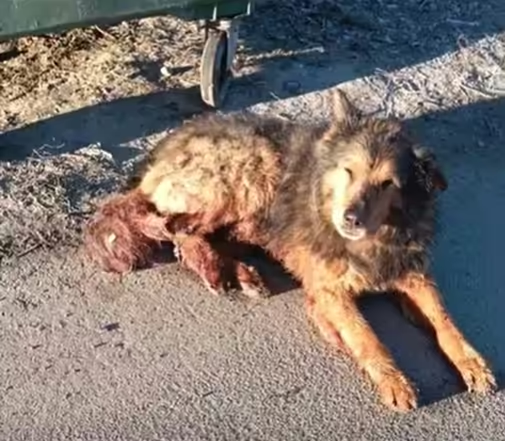
The call came in the afternoon. By evening the dog was on a table with an open fracture and a wound that had been there for days. Surgery ran into the night, then came drips, dressings, blood work and a week of quiet in a warm room. She started walking on the ninth day and left for a foster home on the eleventh. Nothing about this case is unusual for us, which is exactly the point.
- Hour 0Report from a passer-by, with coordinates and a photograph checked before the nearest partner vehicle leaves.
- Hour 6Emergency surgery, pain relief, antibiotics, the wound cleaned and closed.
- Day 2 to 8Drips, dressing changes, blood work, a room with no other dogs in it.
- Day 11Handover to a checked foster carer, with follow-up visits paid for by the fund.
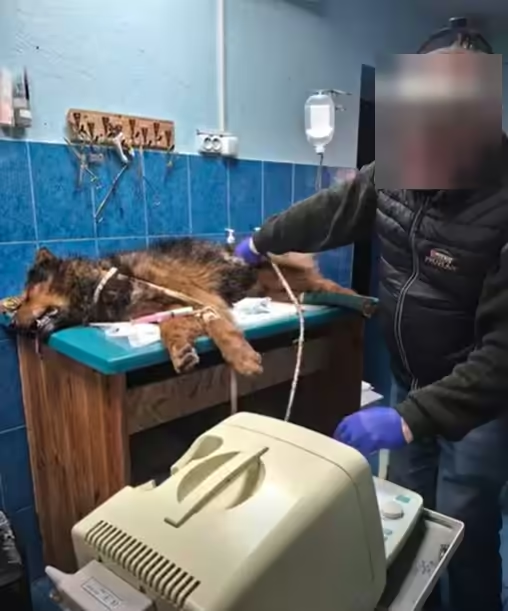
Surgery the same evening 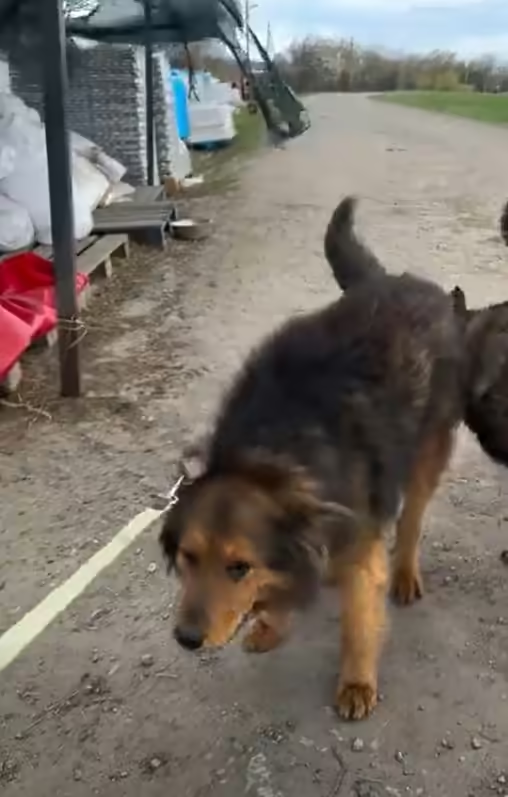
Day nine, walking 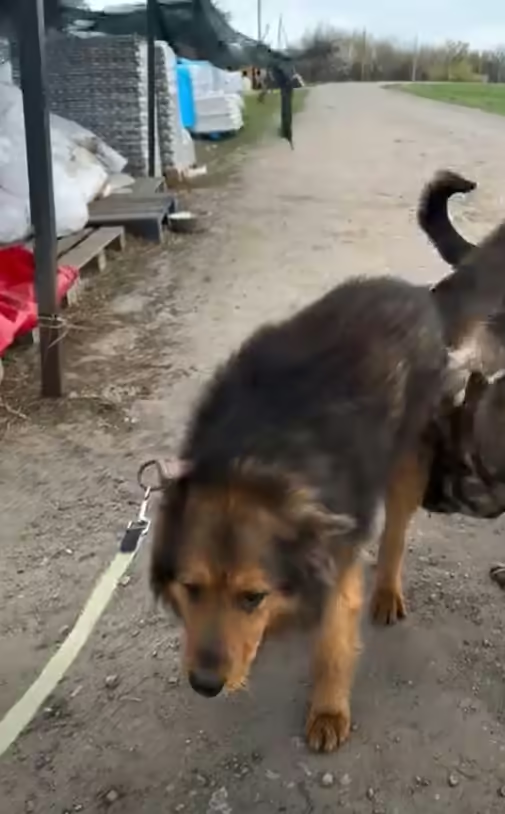
Day eleven, leaving for a foster home
Where the money goes, filmed by the shelters themselves
No stock footage. These are the yards, pens, stables and clinics your donations pay for. Each clip loads only when you press play.
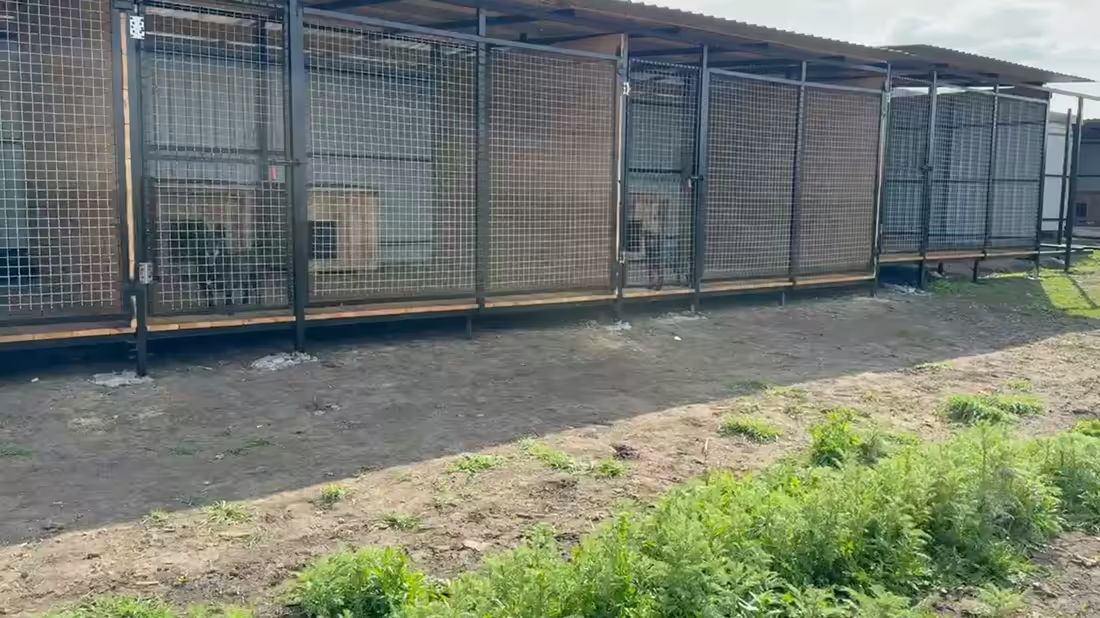
The enclosure row that is already full Every pen here is occupied, which is why eleven more are needed The video loads only after you press play 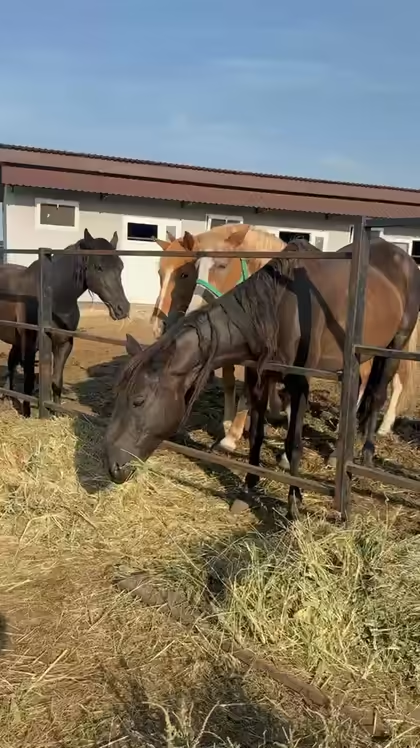
Hay for rescued horses Hay is the single largest recurring bill at the equine shelter The video loads only after you press play 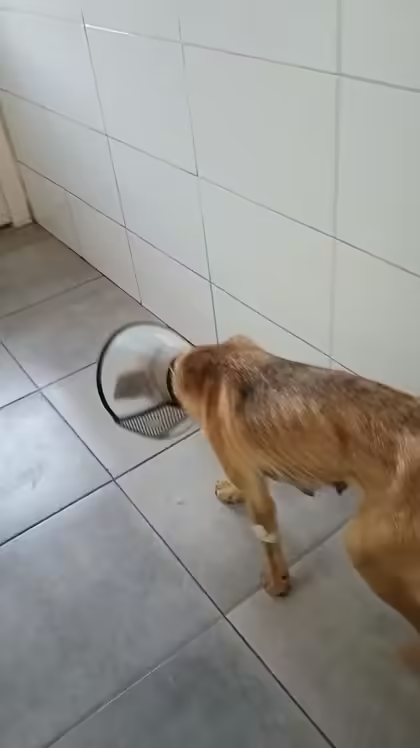
A dog walking the day after surgery Recovery ward of a partner clinic The video loads only after you press play
Five directions of work
The foundation does not spread itself thin. These five areas cover everything we fund, and each one has a page with numbers and photographs.
-
Rescue from cruelty and neglect
We take animals out of situations of violence, hoarding, abandonment and slow neglect, and we do not stop at the rescue itself.
Read about the work -
Veterinary care and rehabilitation
A full cycle: emergency treatment, surgery, vaccination, then physical and behavioural animal rehabilitation.
Read about the work -
Work in war zones
Evacuation missions, plus feed and medicine delivered to shelters near the front line.
Read about the work -
Wildlife rescue
Foxes with mange, orphaned cubs, injured birds and hedgehogs, released where we can.
Read about the work -
Disaster response
Mobile teams for floods, fires, storms and earthquakes, plus temporary shelter for the animals they bring out.
Read about the work -
Humane education
School programmes and volunteer training that make responsible pet ownership normal rather than exceptional.
Read about the work
Pick the part of this you want to pay for
A monthly gift covers the boring, constant costs: feed, medicine, fuel. A one-off gift closes a specific bill, such as one surgery or one enclosure.