
Taking animals out of cruelty, and keeping them out
To stop animal cruelty you need three things in the same week: someone who removes the animal, a clinic that will treat it, and a place it can stay. Most reports fail because one of the three is missing.
Ending animal suffering in a single case is a matter of hours. Ending it as a pattern takes years of sterilisation programmes, education and a legal system that treats cruelty as a crime rather than a private matter. We work on both ends, and we are honest that the second one moves slowly.
What the work looks like
Animal cruelty rescue in this region is rarely a raid. It is usually a neighbour who has watched a chained dog for a year, a courier who saw a litter thrown out at a market, or a shelter worker who recognises that a returning adopter is lying. Someone reports it, and from that moment the animal needs a chain of people who each do one job properly.
We fund the parts that stall: the vehicle, the veterinary bill, the temporary place, and where the law allows it, the paperwork that keeps the animal from being handed back.
What we can act on
If your report includes photographs, a location and a date, it moves faster than any amount of description.
- Chained dog rescue where the animal has no shelter, water or veterinary care.
- Hoarding situations, where dozens of animals live in one flat or yard.
- Animals abandoned in an empty house or a locked garage after the owners leave.
- Injuries that look deliberate: burns, fractures from beating, cut ears or tails.
- Litters dumped at markets, bus stops and rubbish points.
A case that ended well
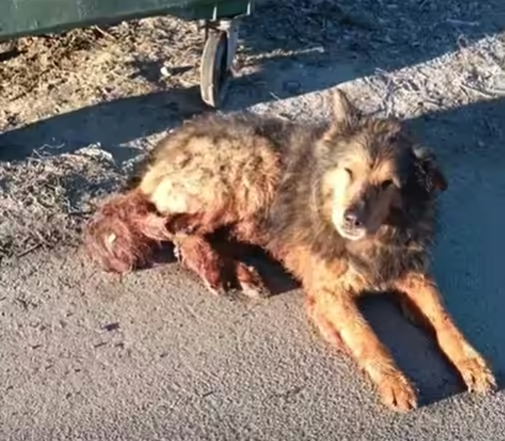
This dog spent days at the roadside before anyone called. The photographs are hard to look at, which is why we show them here rather than on the front page.
The first photograph is what the team found. The second is the same evening in a partner clinic. The last two are the same dog nine and eleven days later, walking on a lead and going to a foster home. Recovery on this scale is normal when treatment starts within hours, and almost impossible when it starts within weeks.
- ReportPhotograph, location and a working phone number reach the duty coordinator.
- RemovalThe nearest partner drives out, secures the animal and gets it to a clinic.
- TreatmentSurgery, pain relief, blood work and a quiet room away from other animals.
- PlacementFoster carer or shelter place, with follow-up visits paid for by the fund.
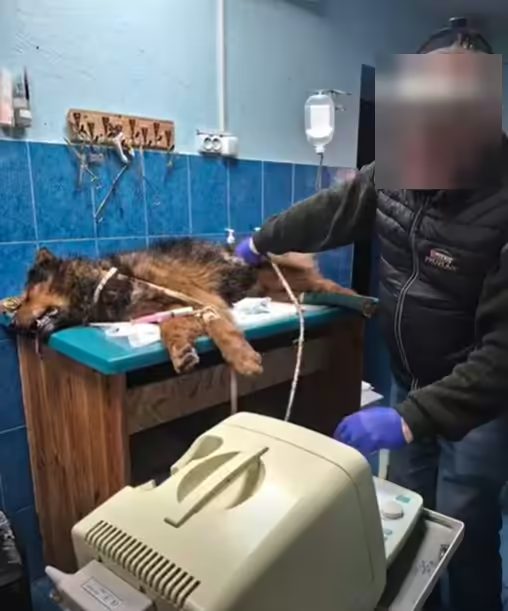
Emergency surgery, the same evening 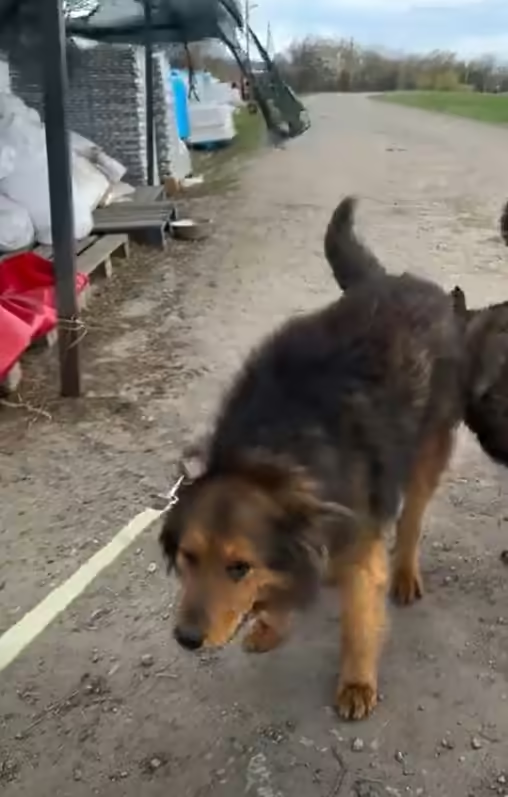
Day nine 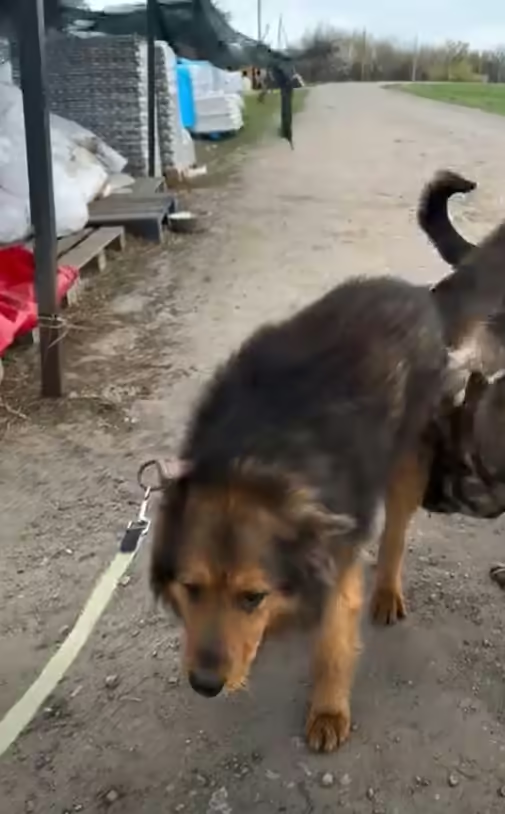
Day eleven, going to a foster carer
Reporting cruelty
How do I report animal cruelty so that something actually happens?
Send photographs, the exact address, the date you saw it and whether the animal is in immediate danger. Reports without a location cannot be acted on, and reports without photographs take three times longer to verify.
Will the owner find out who reported them?
Not from us. We pass the case to the nearest partner and, where the police are involved, we give them the evidence rather than your contact details unless you agree to it.
What if the animal is not in danger today but the conditions are bad?
Tell us anyway. Chronic neglect cases usually need several documented visits before anything can change, so the first report is the one that starts the clock.
Fund the part that stalls
A rescue rarely fails at the gate. It fails at the invoice for surgery, at the fuel for a 300 kilometre round trip, or at the two weeks of care nobody budgeted for.