
The jobs that actually need doing
An animal shelter volunteer spends most of the day cleaning, carrying, walking and washing bowls. It is not glamorous, and it is the reason the animals are alive.
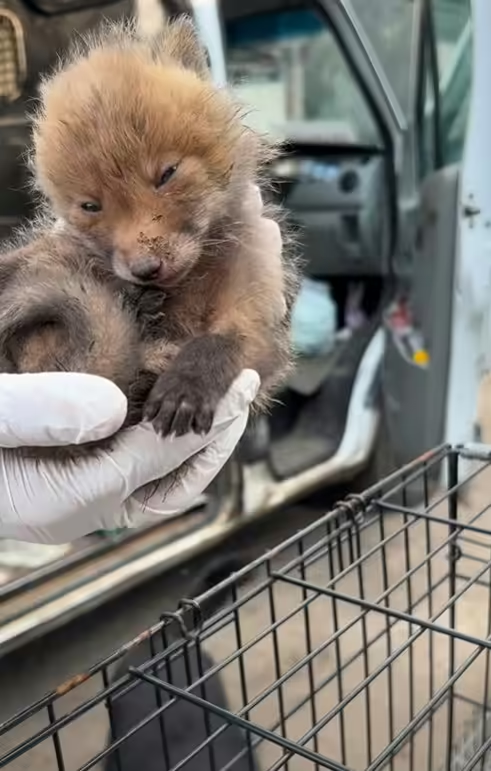
Volunteering is also the best due diligence a donor can do. Spend one Saturday in a partner shelter and you will know more about how the money is spent than any report can tell you.
Ways to help
Pick by what you can actually commit to. A reliable two hours a week beats an enthusiastic weekend that never repeats.
-
Volunteer at a shelter
Cleaning, feeding, walking dogs and socialising cats. Partner shelters take volunteers from sixteen years old with an adult, and eighteen alone.
-
Transport
Driving animals to clinics, moving feed between shelters and meeting evacuation vehicles. One driver with a van is worth a dozen offers of help.
-
Foster care
Taking one animal into your home while it recovers or waits for adoption.
About foster care -
Remote help
Translation, photo editing, grant applications and social media. Most of our reporting in three languages is done by remote volunteers.
-
Corporate partnership
Fund a project, match employee donations, or cover one recurring cost such as fuel or feed for a named shelter.
-
Fundraise
Birthday collections, school events and workplace campaigns. We supply photographs, figures and a report afterwards.
How to volunteer at an animal shelter without creating work
Shelters rarely say this out loud, so we will. Follow these five and you will be asked back.
- Commit to a fixed day and turn up on it, even when the weather is bad.
- Learn the shelter's handling rules before touching an animal, especially the frightened ones.
- Do the unpopular jobs: enclosures, laundry, dishes. Everyone wants to walk the friendly dog.
- Never post photographs of animals or people without the shelter's permission.
- Say what you cannot do. A volunteer who is afraid of large dogs is useful, one who pretends otherwise is dangerous.
What each role needs
| Role | Time | Requirements |
|---|---|---|
| Shelter volunteer | 4 hours a week | 18+, work clothes, tetanus vaccination recommended |
| Dog walker | 2 hours a week | Training session first, no experience needed |
| Transport volunteer | By arrangement | Driving licence, vehicle that can be cleaned |
| Foster carer | 3 weeks to 6 months | Separate room, agreement with everyone in the household |
| Remote volunteer | 2 to 6 hours a week | One skill we actually need: language, design, grants |
| Volunteer abroad | 2 weeks or more | Own travel and insurance, arranged at least a month ahead |
Questions from new volunteers
Can I volunteer with animals if I have no experience?
Yes. Cleaning and feeding need no experience, and dog walking needs one training session. Handling frightened or injured animals is not given to new volunteers, for their safety and the animal's.
Can I bring my children?
To open days and educational sessions, yes. To routine shelter work, only from sixteen and with an adult, because working sites have machinery, sick animals and dogs that jump.
Do you offer volunteer abroad placements?
We host volunteers who arrange their own travel and insurance and can stay at least two weeks. Shorter visits cost the shelter more in supervision than they gain in work.
I can only help online. Is that useful?
Very. Translation into Spanish and Arabic, photo processing and grant writing are the three areas where we are permanently short of hands.
Tell us what you can do
Write with your city, the time you can give and any skill worth knowing about. We will point you at the nearest shelter or the task that is short-handed.