
Getting animals out, and keeping the shelters behind them alive
Animals arrive from the war zone every day. Some are evacuated with their owners, most are not, and the shelters that take them in were already full.
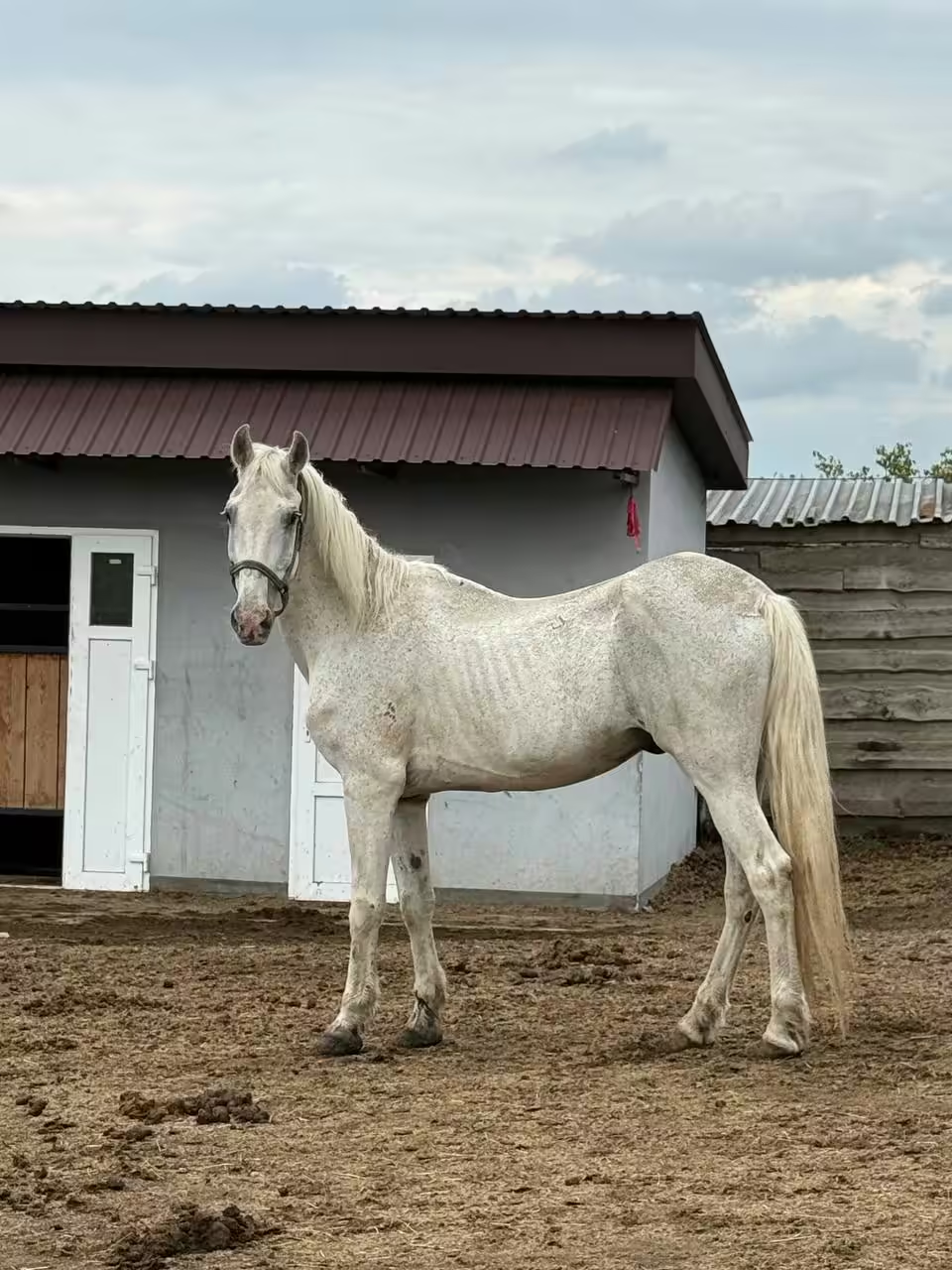
Every animal that arrives from a shelled area increases pressure on a system that is already over capacity. That is why our war zone work and our construction projects are the same programme in practice: there is no point pulling forty dogs out of Kramatorsk if there is nowhere to put them when the van arrives.
Why this work is different
A normal rescue has one unknown: the animal. An evacuation has five. Whether the road is open, whether the shelling window closes in time, whether the receiving shelter still has space by the time you arrive, whether the papers will hold at a checkpoint, and whether there is fuel for the return leg.
Ukraine animal rescue at this scale is therefore mostly logistics. The dramatic photograph at the end is the last two per cent of the work.
What one evacuation run needs
This list is why an evacuation costs what it does, and why we ask for fuel and paperwork money rather than only for feed.
- A named coordinator at both ends of the route, reachable at any hour.
- Crates, water, leads and blankets sized for the animals actually on the list.
- Veterinary papers checked twice before departure, because a checkpoint is the wrong place to discover a missing certificate.
- Fuel for the full round trip plus a reserve, in a region where filling stations may be closed.
- A receiving shelter with confirmed space in writing, not a promise on the phone.
The load on the shelter system
- 510 facilities in Ukraine Shelters, sterilisation centres and volunteers keeping animals, 2025
- 3 000 animals in the largest shelters Including horses, ponies, donkeys, cows, goats, pigs and a camel
- 25 799 dogs in shelters Receiving professional veterinary care
- 19 473 cats in shelters Receiving professional veterinary care
Where evacuated animals end up
Footage from partner shelters that receive animals from the eastern regions.
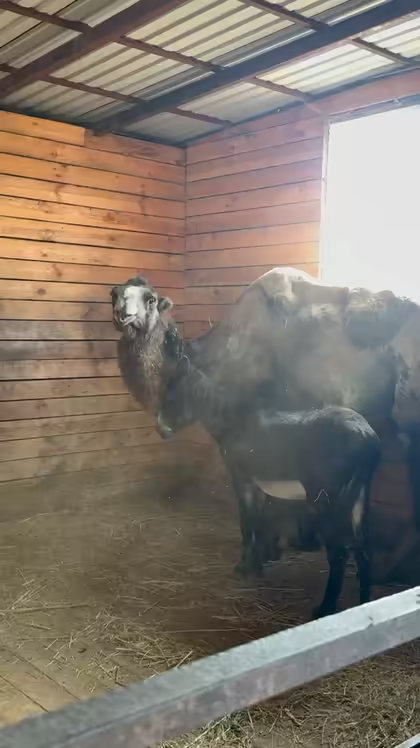
A horse in a covered pen Evacuated animals are kept apart from the resident group for the first weeks The video loads only after you press play 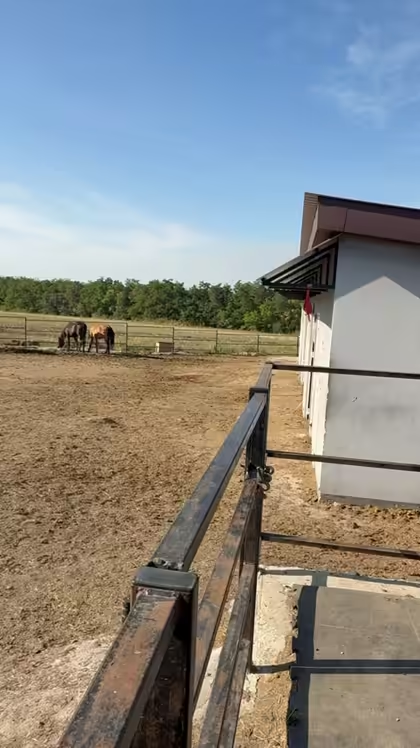
Paddock and stable The stable roof on this site needs replacing before winter The video loads only after you press play 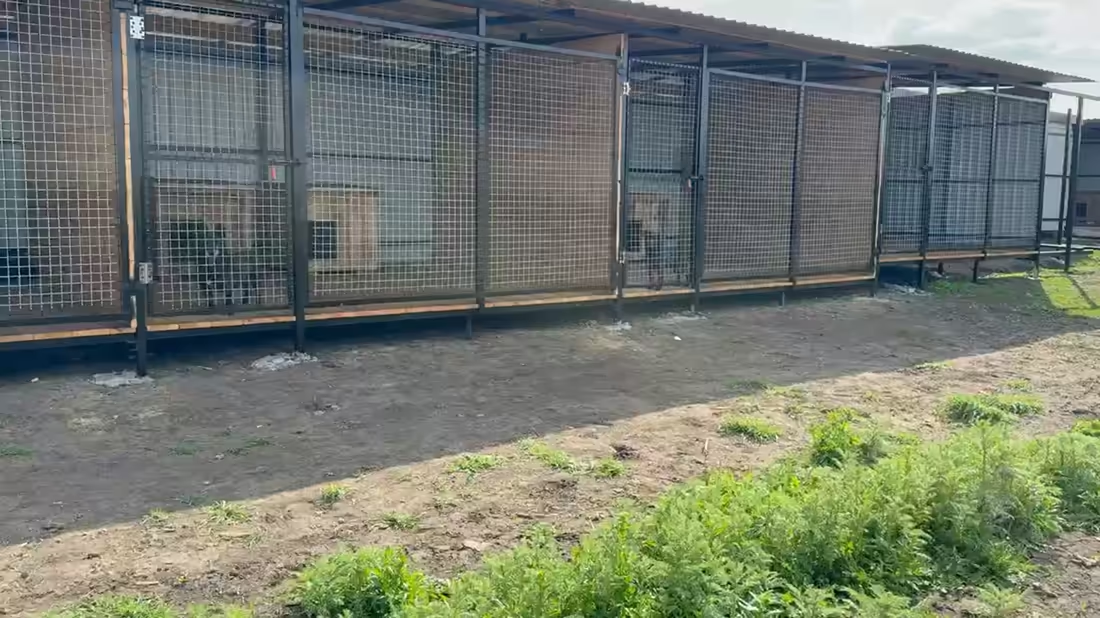
The enclosure row Eleven more enclosures are needed for dogs evacuated from Kramatorsk The video loads only after you press play
Three costs that never stop
- 5 000 000 kg
Feed
Five million kilograms of feed have gone through the network in three and a half years. It is the largest single line in the budget and the least photogenic.
-
Fuel and transport
Evacuation vehicles, feed deliveries and transfers between shelters. One long run can cost more than a month of feed for a small shelter.
-
Medicine
Antibiotics, painkillers, anaesthesia and vaccines, bought centrally and distributed to shelters that cannot buy at wholesale prices.
Questions about the war zone work
How can I help animals in Ukraine from abroad?
Money moves fastest and buys at wholesale prices inside the country. If you want to send goods, ask us first: storage at partner shelters is limited and the wrong parcel blocks a room for weeks.
Do you evacuate pets for private owners?
Where a route already exists, yes, and owners are asked to cover fuel if they can. Priority goes to animals with no owner left to ask.
What happens to animals nobody claims?
They go into the shelter network for treatment, sterilisation and rehoming. Some stay for years, which is why shelter capacity is the constant bottleneck.
Is there a pet evacuation plan I can copy?
Yes. Write to us and we will send the checklist our partners use: documents, crate sizes, water, medication and the order in which to load animals.
Fund the next run
Fuel, crates, papers and the shelter place at the other end. That is what one evacuation actually consists of.